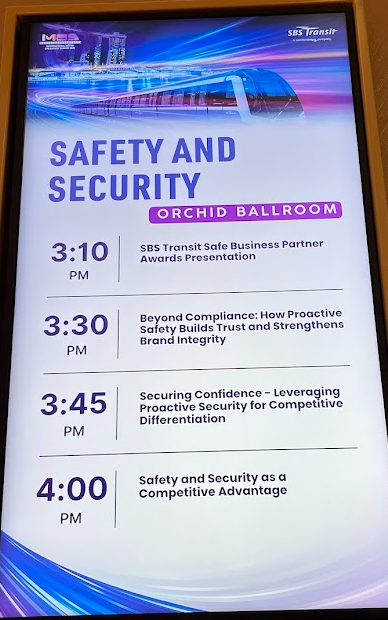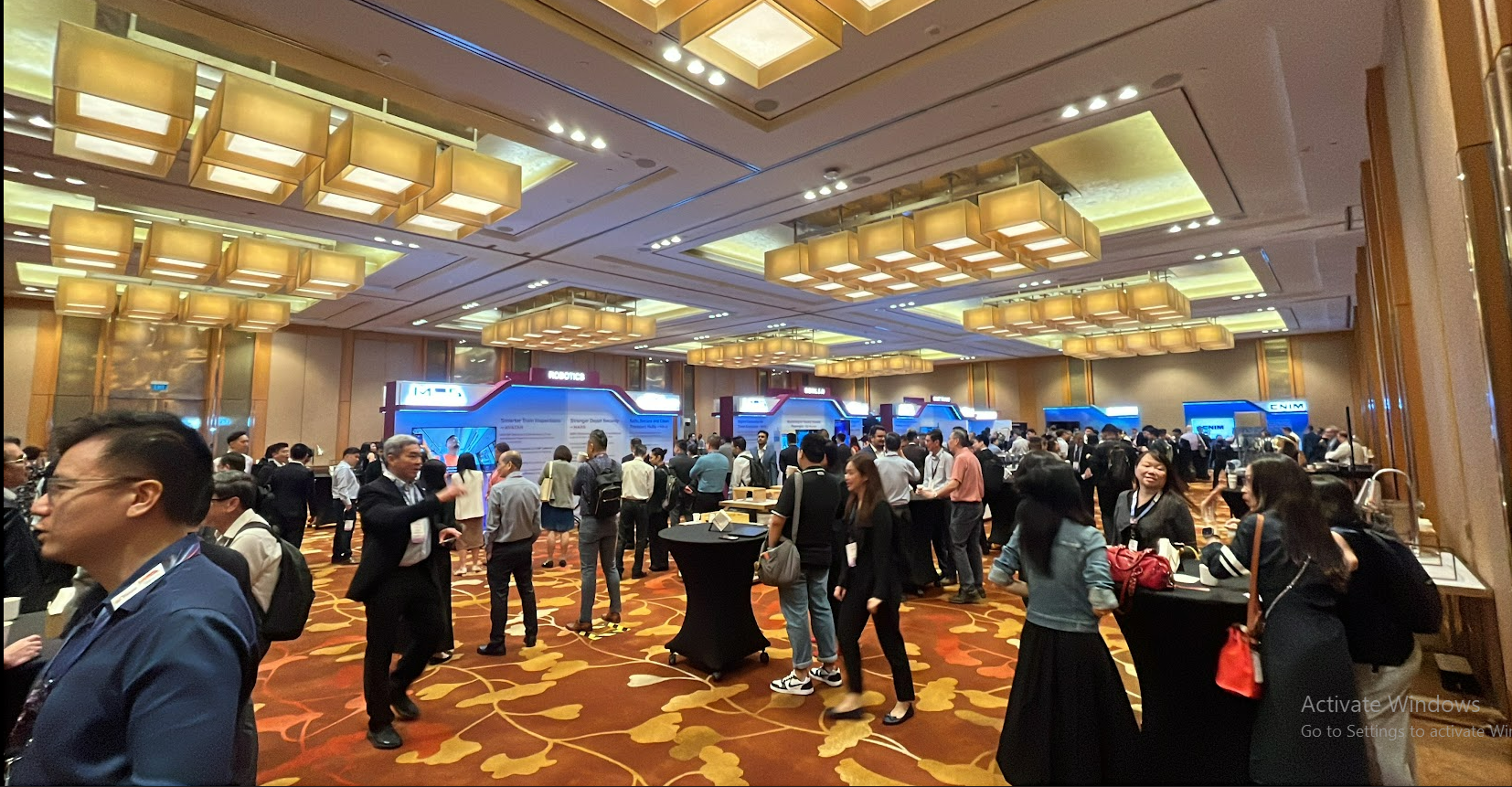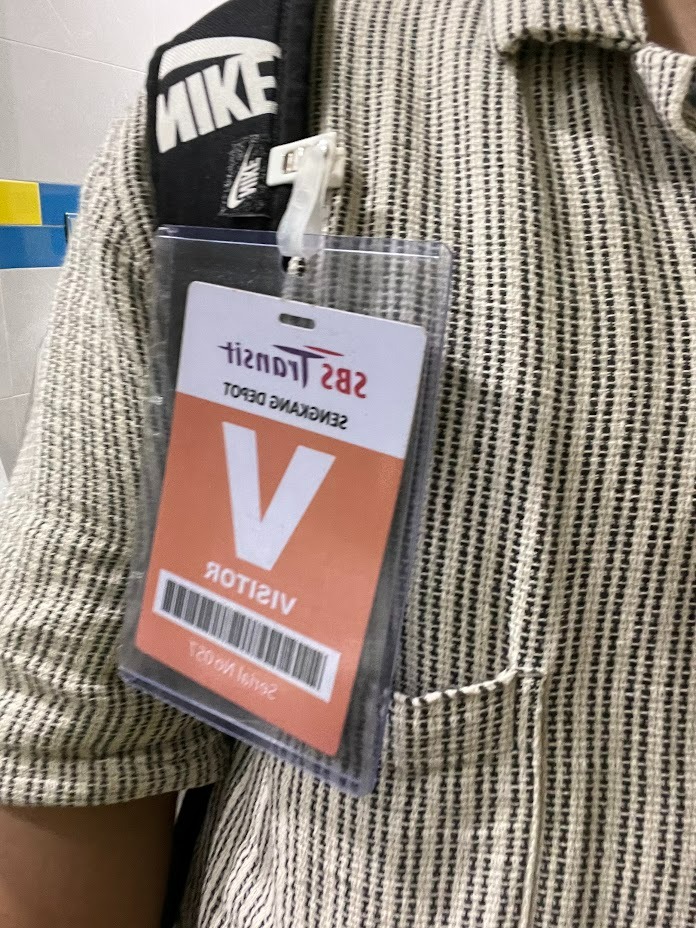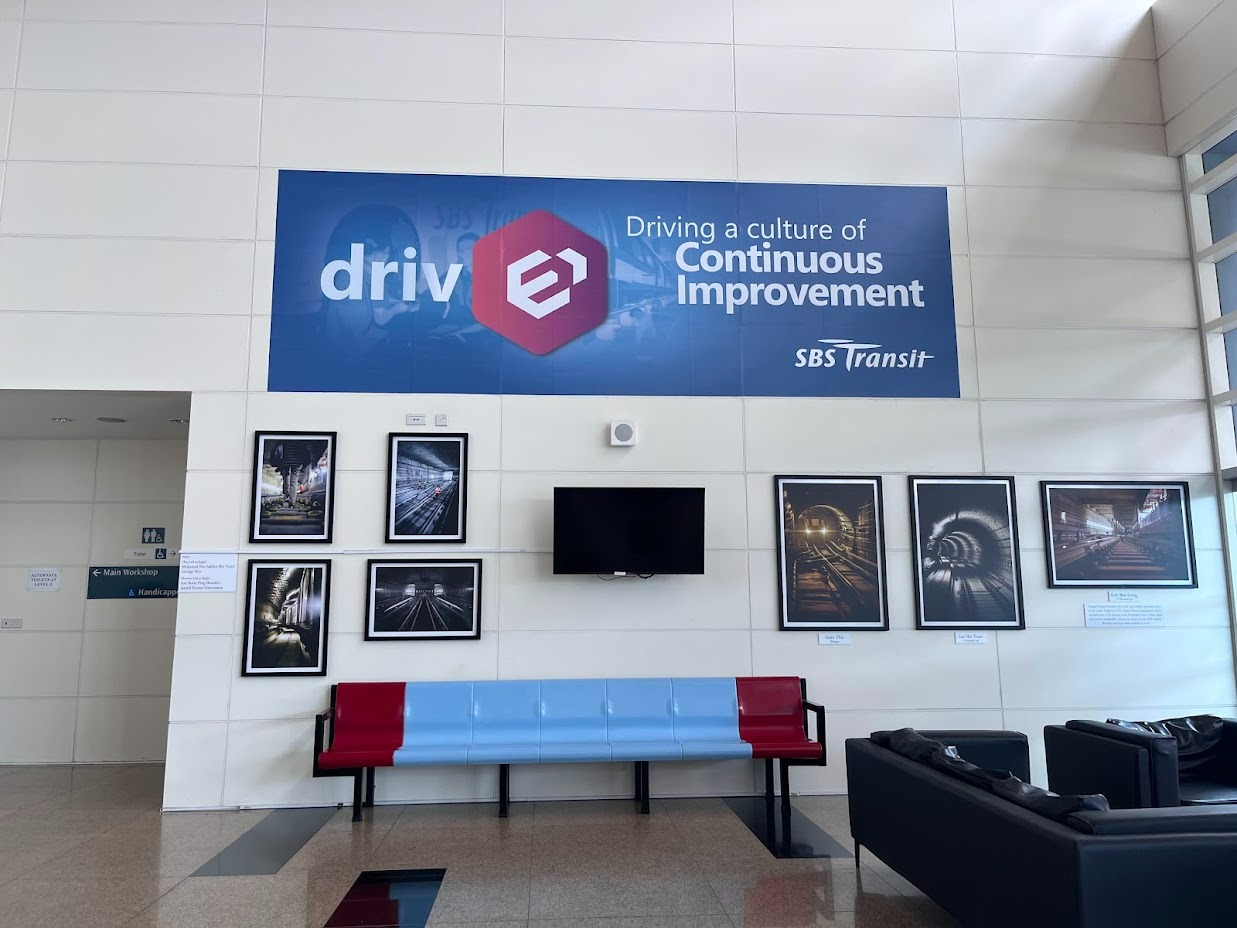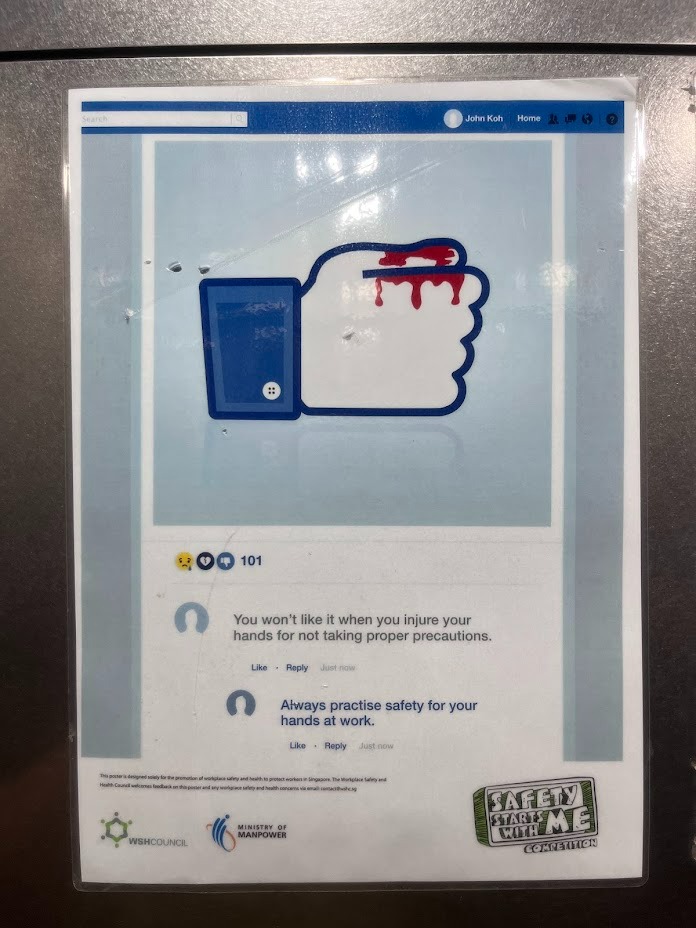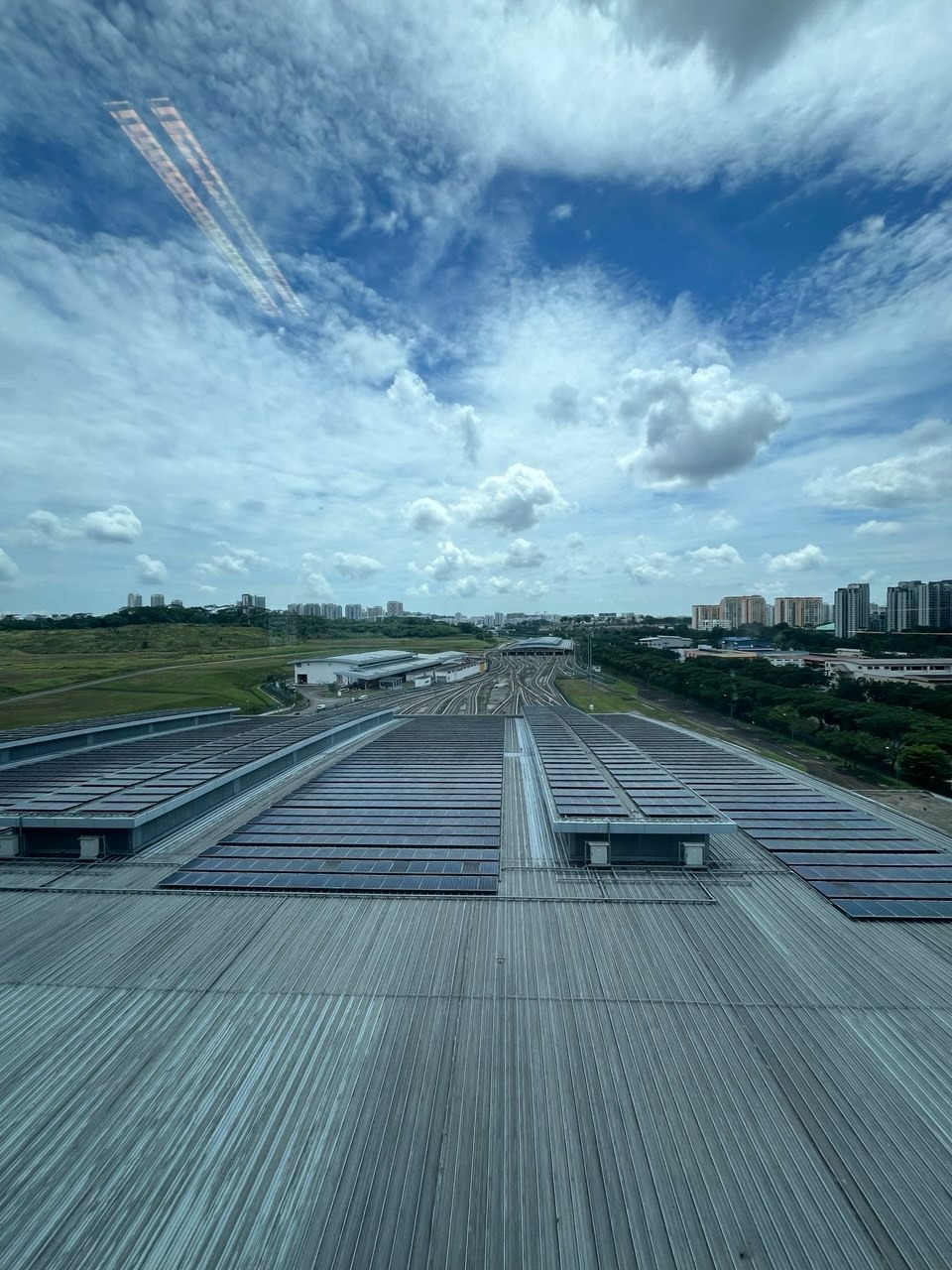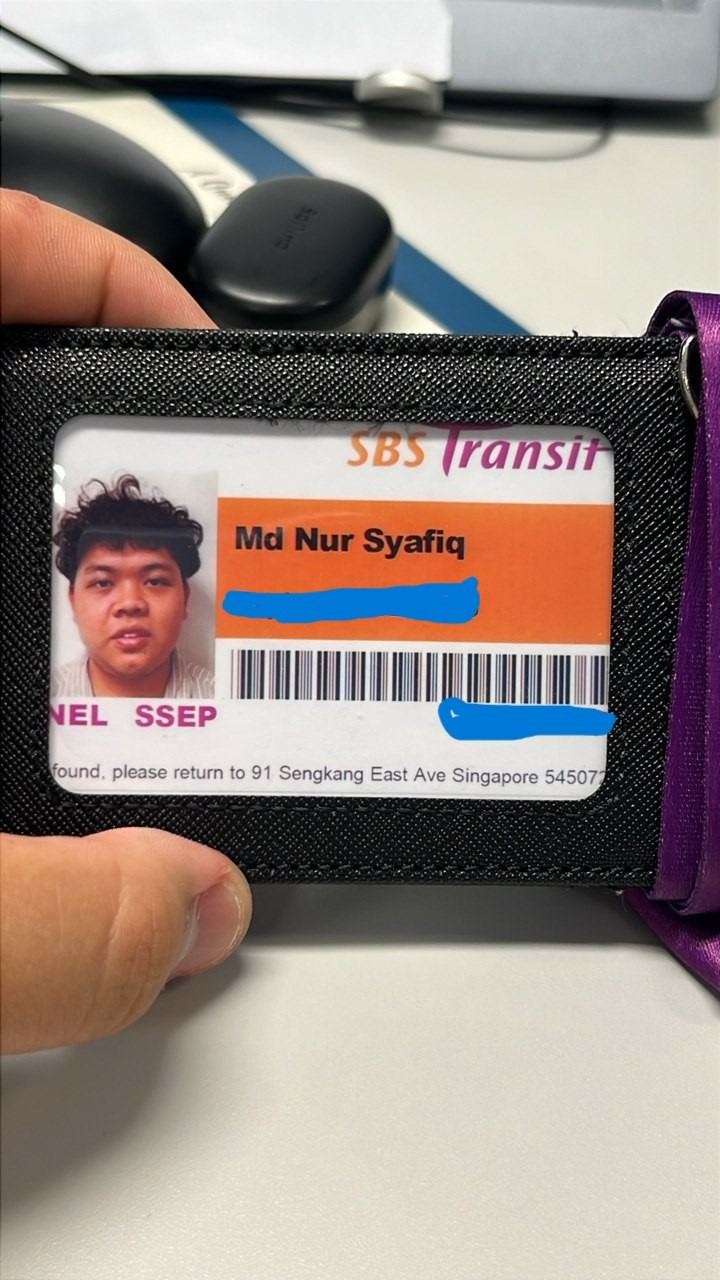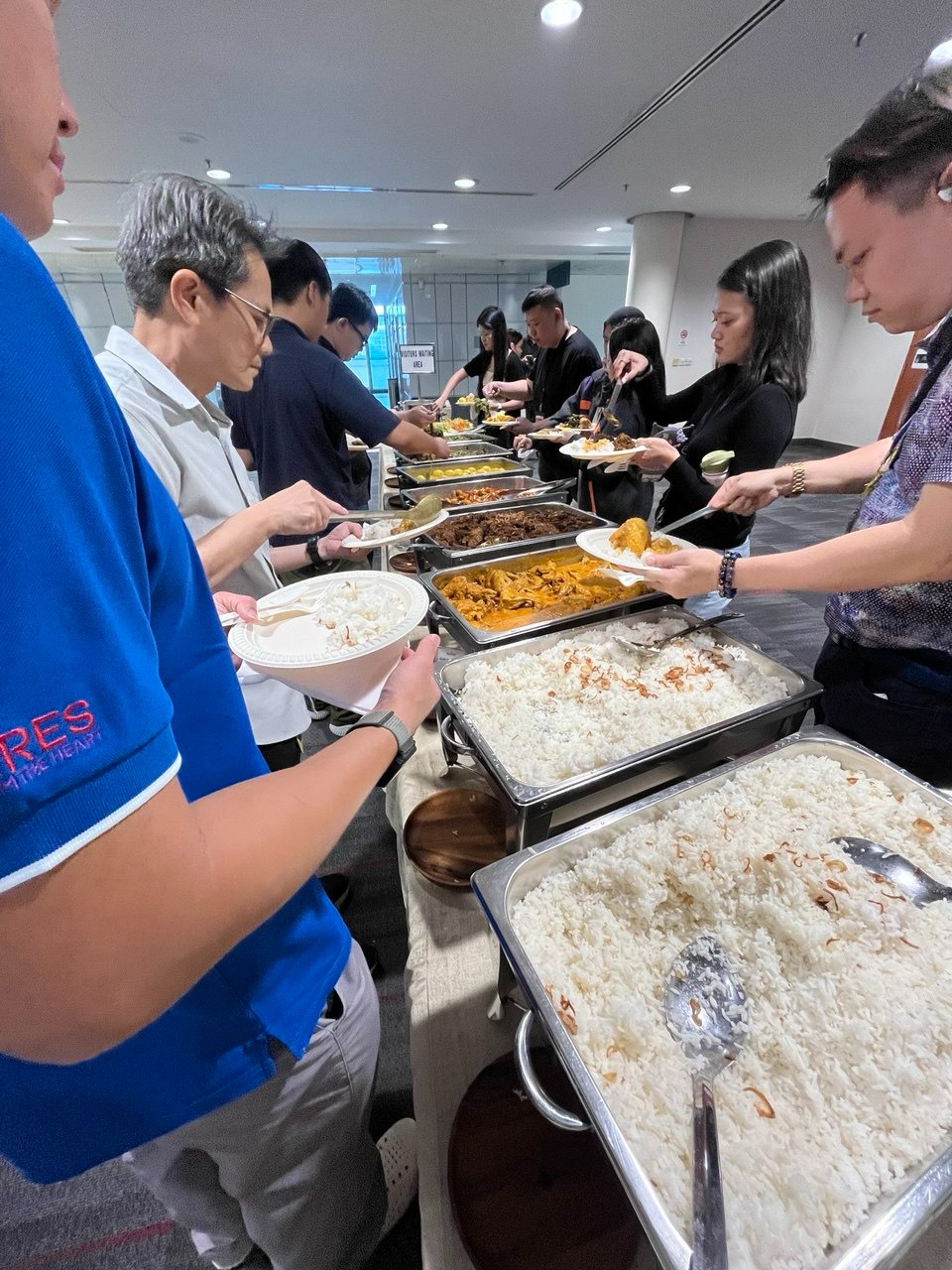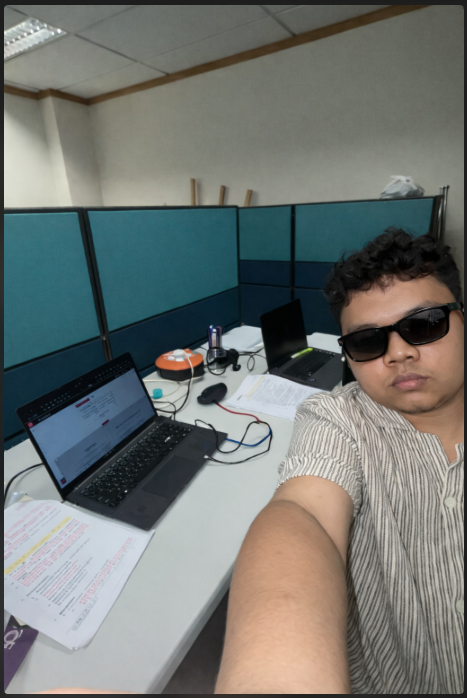
My internship search was pretty much a string of 'seen' messages and zero replies. When my lecturer told me about SBST Rails, I was hesitant; I felt underqualified and the whole thing felt too 'corporate' for me. That first morning was a grind—two hours of waiting for HR followed by a few minutes of intense anxiety watching the team discuss projects I didn't understand yet. But once I was introduced, the nerves just vanished. I spent the rest of the day so focused on SSEP’s mission that I didn't realize how comfortable I felt until I got home.
Proof that sometimes you just have to trust the plot.
~SBST Rails Intern~
To maintain high safety standards, SBST Rails utilizes the Hazard Identification & Reporting System (HIRS).
This system is designed to capture, track, and mitigate a wide range of safety and security incidents, infrastructure defects, and operational hazards, whether caused by internal factors or external parties.
This is basis for documentation, facilitate investigations & enable data trending.

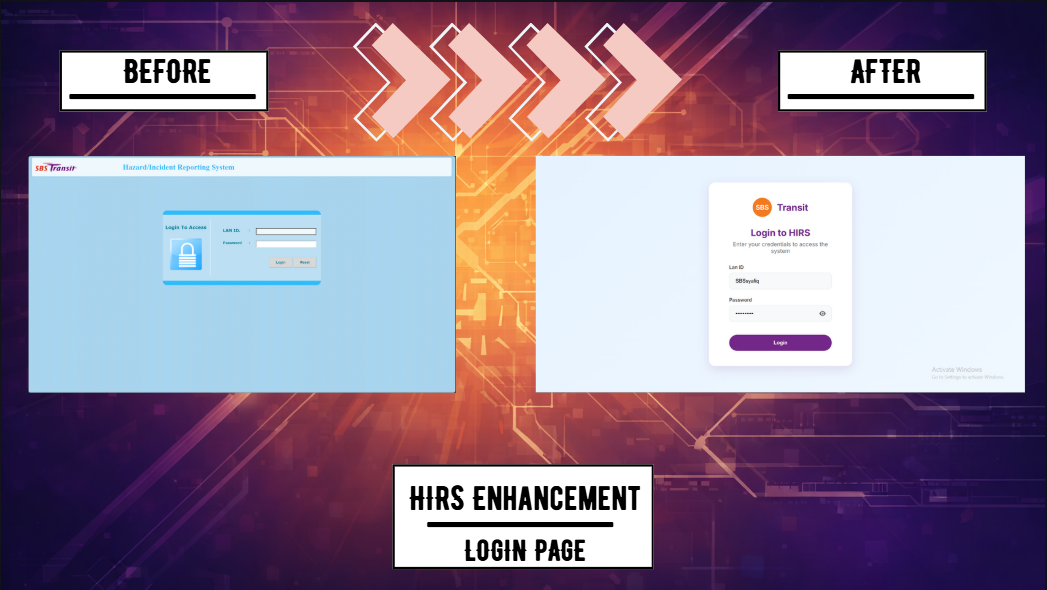
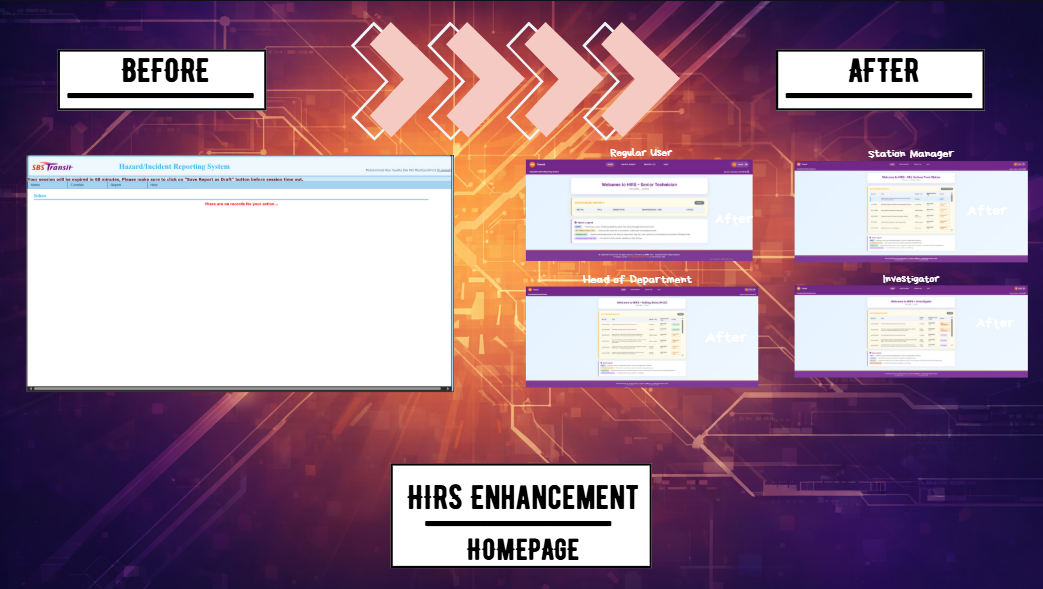
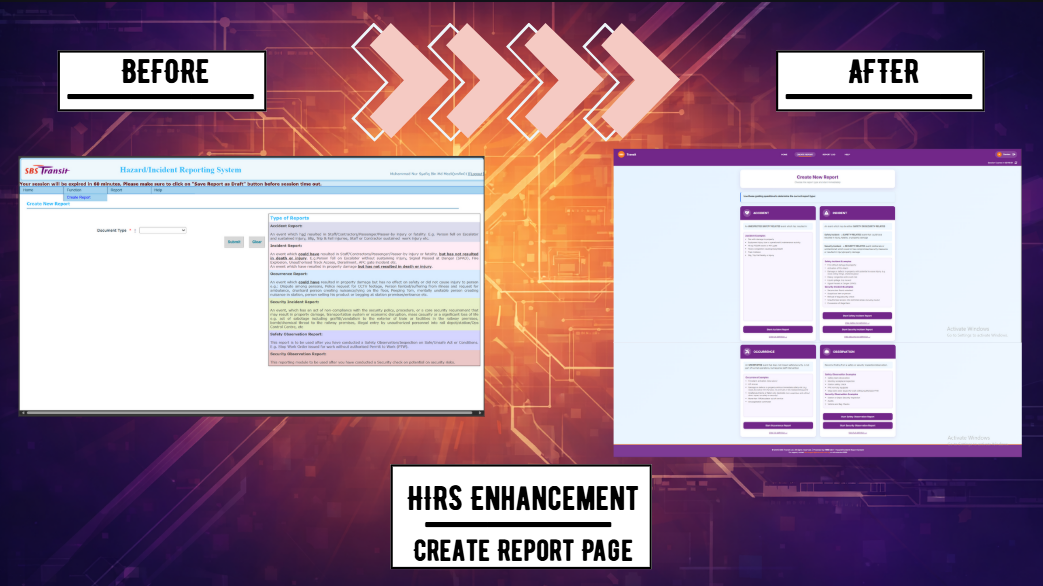
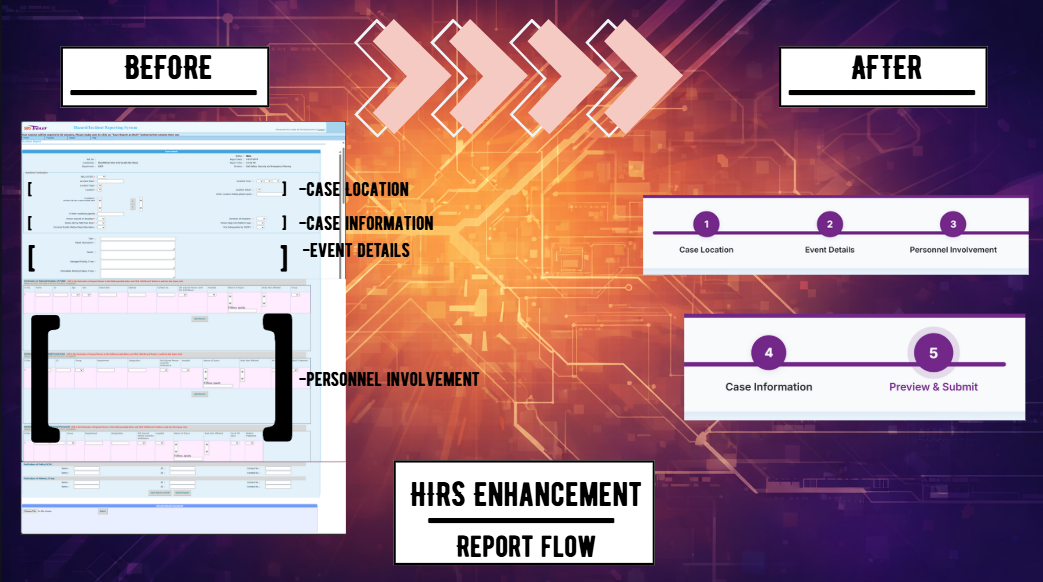
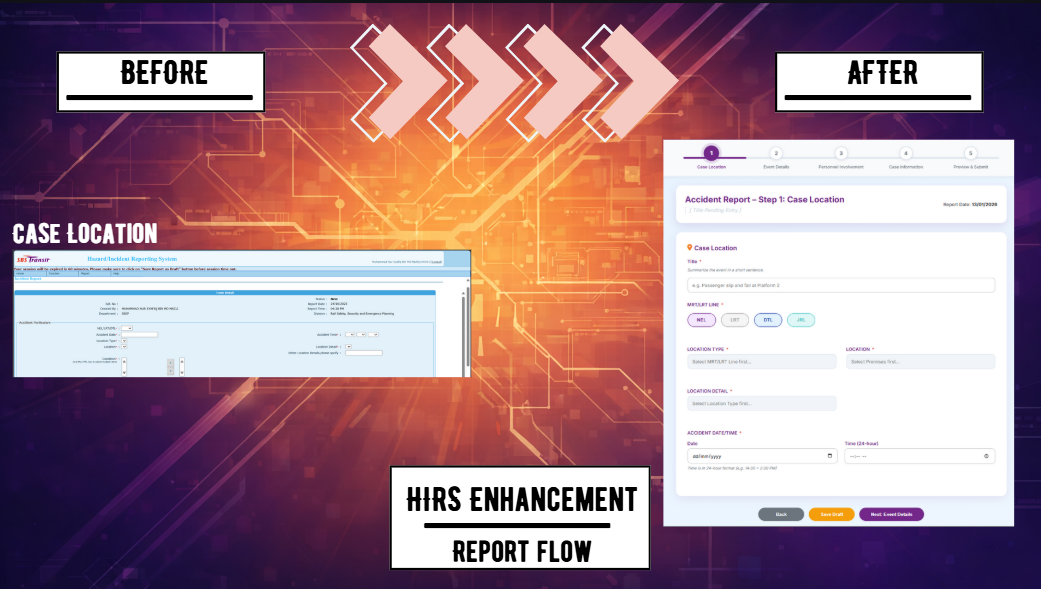
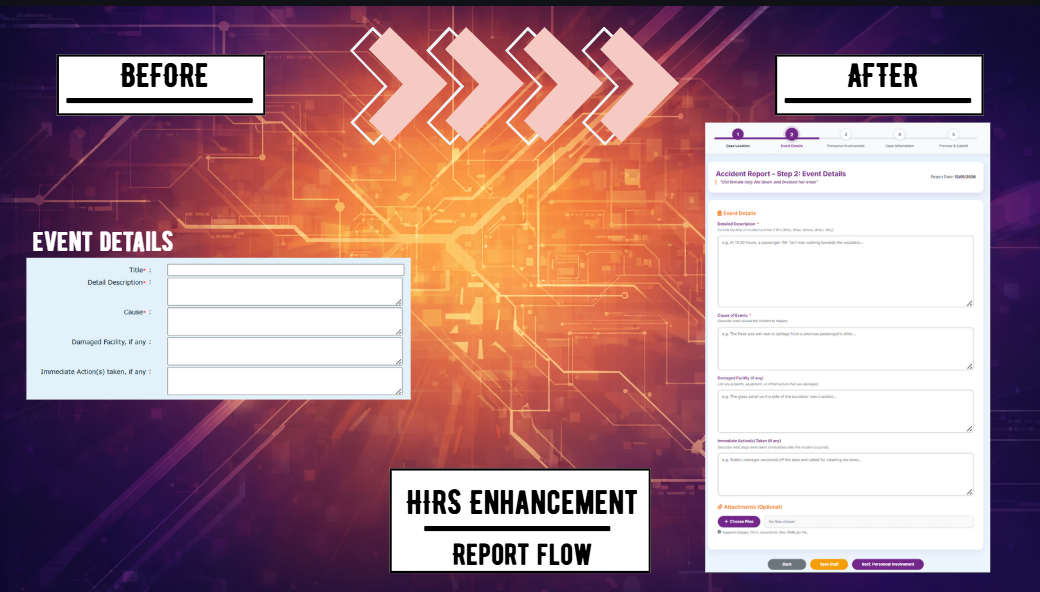
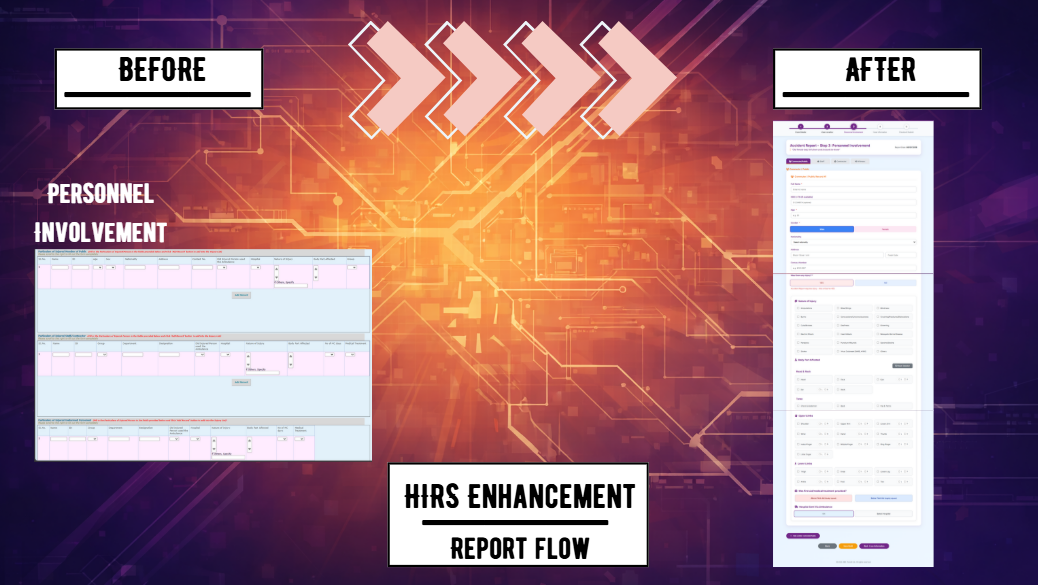
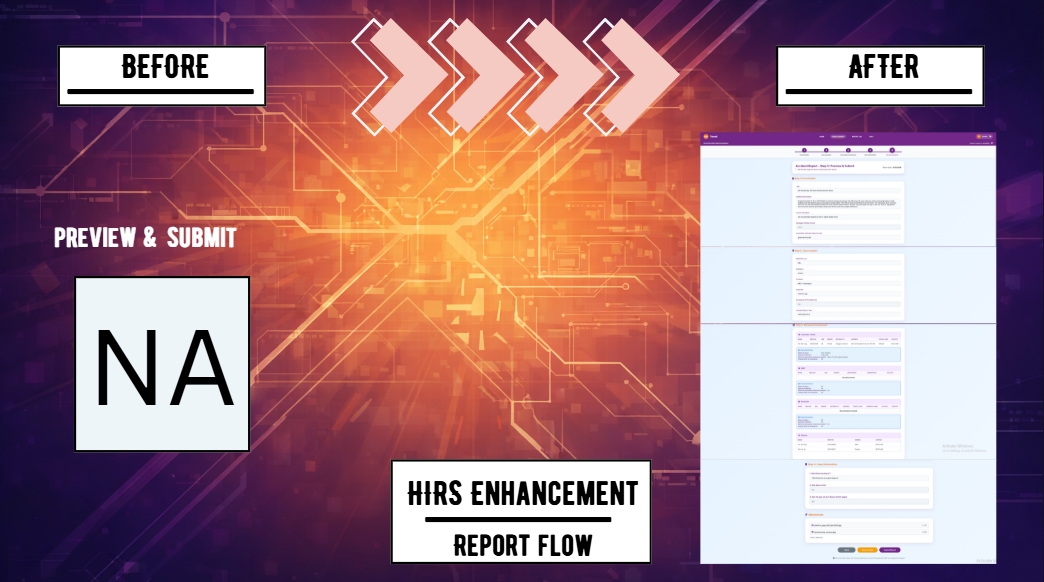
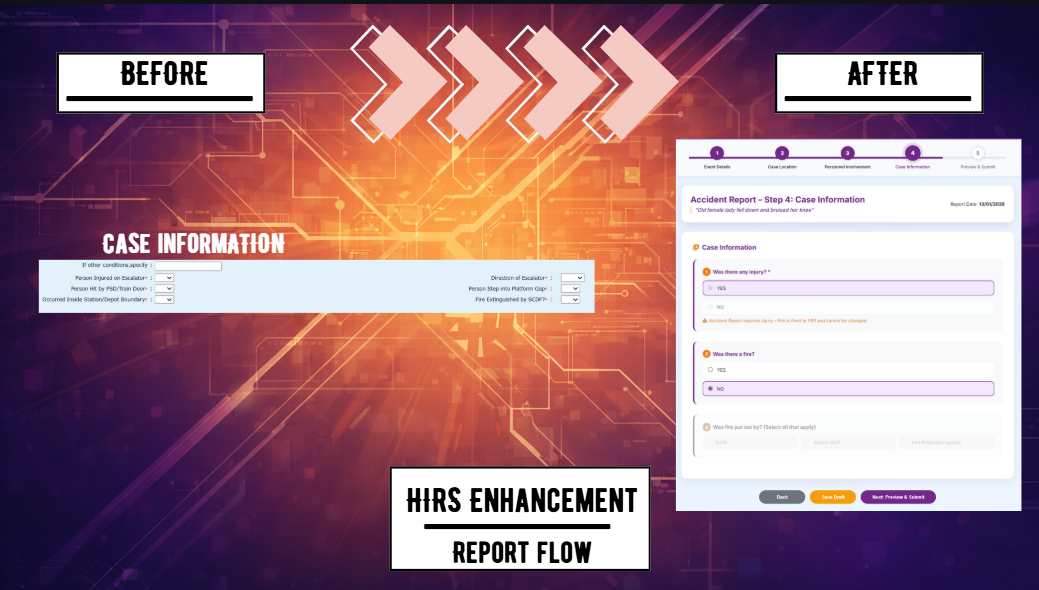
I spearheaded the UX/UI evolution of the Hazard/Incident Reporting System (HIRS), transitioning a legacy platform into a modern, multi-stage tool. By translating complex safety requirements into clean, functional mockups, I bridged the gap between the SSEP team’s vision and technical development, ultimately streamlining both the user reporting flow and backend data extraction.
The goal was to reinforce a proactive safety culture by removing friction. By converting a complex form into a minimalist, step-by-step process, we improved submission quality and ensured that reporting a hazard felt intuitive rather than a chore.
I chose Visual Studio Code over Figma to create a 'living' mockup. For a system as data-heavy as HIRS, a coded prototype allows stakeholders to experience the actual hierarchy and responsiveness of the site. It’s a more fluent way for me to demonstrate how the final product will actually behave for the end-user.
My process was grounded in reality rather than just theory. I maintained a continuous feedback loop through regular consultations with my mentors and department heads. By aligning every design iteration with their strategic goals and the practical 'pain points' of my colleagues, I ensured the revamped system was not only user-centric but also a perfect fit for the organization’s operational safety standards.
Efficiency isn't just about the UI; it’s about the data. I generalized location fields to simplify backend extraction, which allows the department to pull specific insights faster. This ensures the system is as useful for the analysts as it is for the person reporting the incident.
I actively engaged with diverse teams across the organization, which significantly broadened my understanding of cross-functional collaboration. Beyond technical tasks, I focused on refining my professional presence—from optimizing my LinkedIn to learning how to effectively communicate project value to stakeholders. This experience taught me how to identify and pursue high-value career opportunities by understanding the needs of a modern workforce.
My primary contribution was serving as the bridge between the SSEP team's vision and the final technical product. By translating complex safety requirements into intuitive, multi-stage frontend designs for the Hazard/Incident Reporting System (HIRS), I helped facilitate clearer communication between department heads and developers.